Restore the land to its former glory
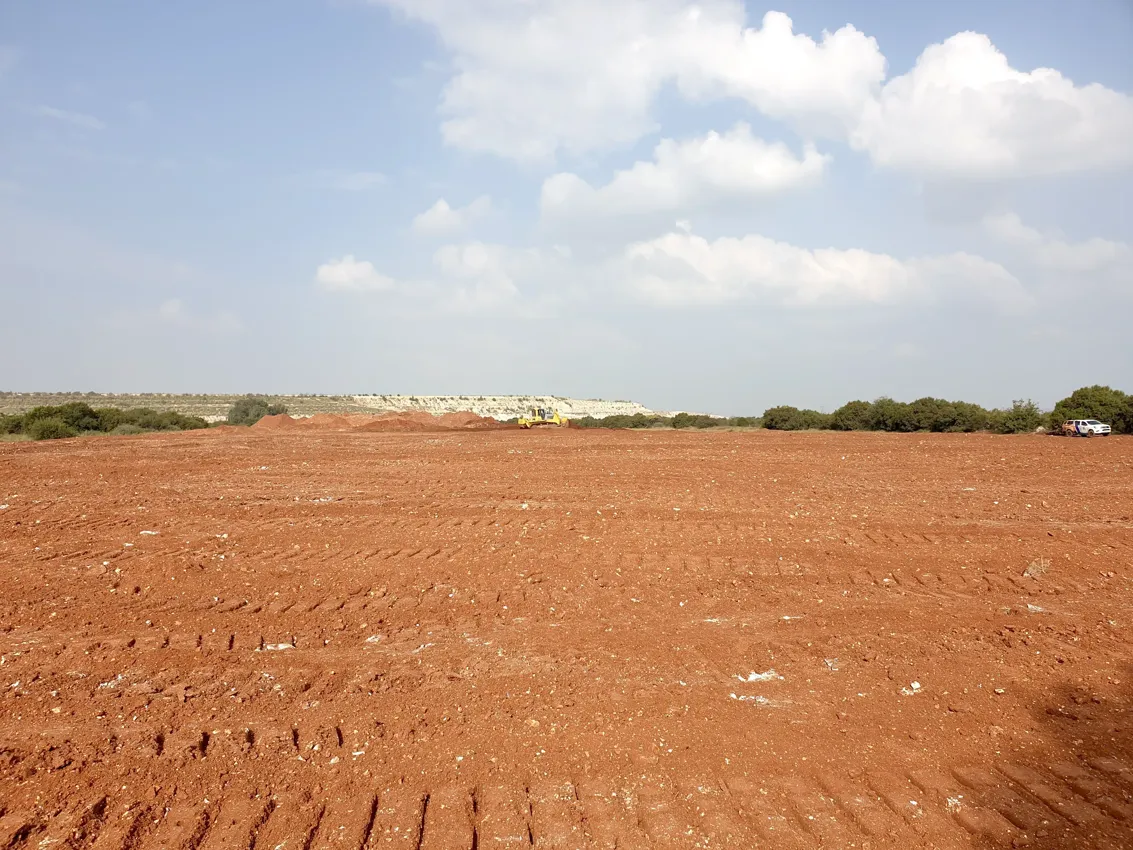
The process of restoring a site to its original or improved condition after demolition or earthmoving activities. It is a crucial part of projects, particularly in environmentally sensitive areas where the landscape need to be stabilized, vegetation restored and ecosystems protected.Soil Stabilization
Ensuring the soil is stable after earthworks, which helps prevent erosion and landslides.
Topsoil replacement
After earthmoving activities, topsoil (nutrient rich upper layer of soil) is often disturbed or removed. Replacing or re-srepading topsoil is essential for re-establishing vegetation and plant growth.
Revegetation
Planting grasses, shrubs, trees or native plants to restore vegetation to the site. This helps control erosion, improve soil quality and support local ecosystems.
Erosion Control
Implementing techniques to prevent erosion of soil by wind or water.
Water Management
Managing water flow on site to avoid flooding, erosion or waterlogging.
Compaction Relief
Loosening soil compacted by earthmoving equipment to help vegetation to grow and restore drainage that may have been affected.
Contaminant Removal
Heavy metals that may have been deposited in the soil are removed and chemicals that may have been spilled are removed or neutralized.
Regrading
Reshaping the land to restore natural contours, prevent water accumulation and ensure proper drainage.
Wildlife habitat restoration
In areas where construction has disturbed local wildlife, the goal is to restore the conditions that support the return of local fauna and flora.
Monitoring and Maintenance
Rehabilitation doesn't end with planting or erosion control. Continuous monitoring and maintenance are essential to ensure that vegetation grows properly, erosion is controlled and water management systems work effectively.
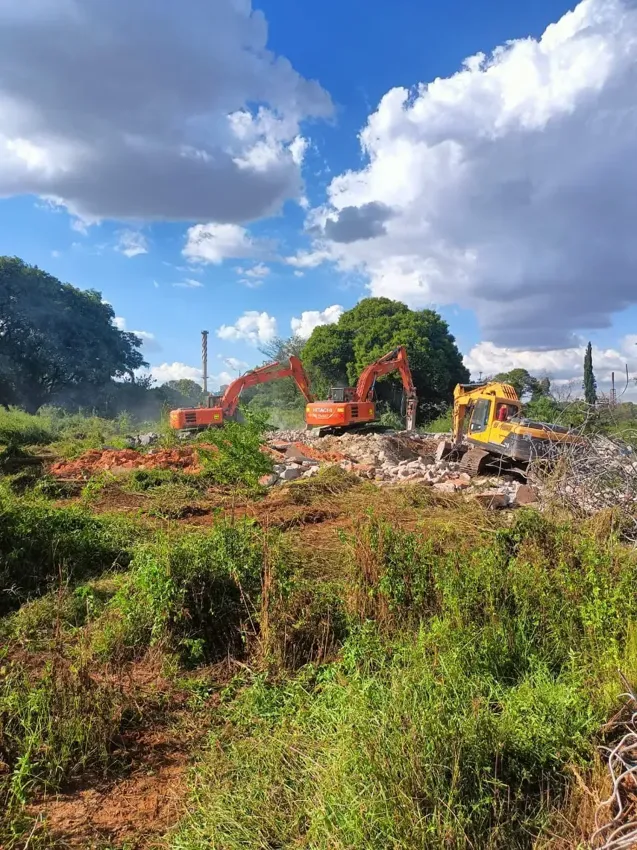
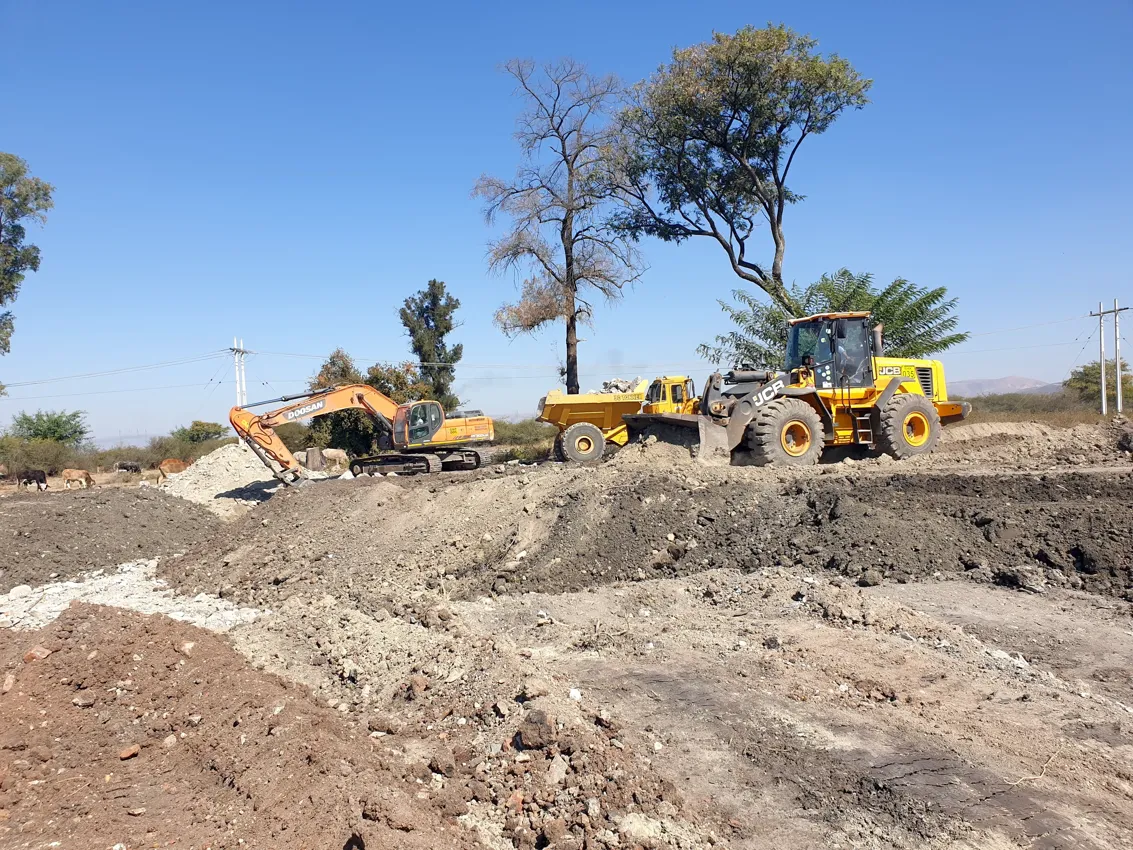
Our team in action